About this piece
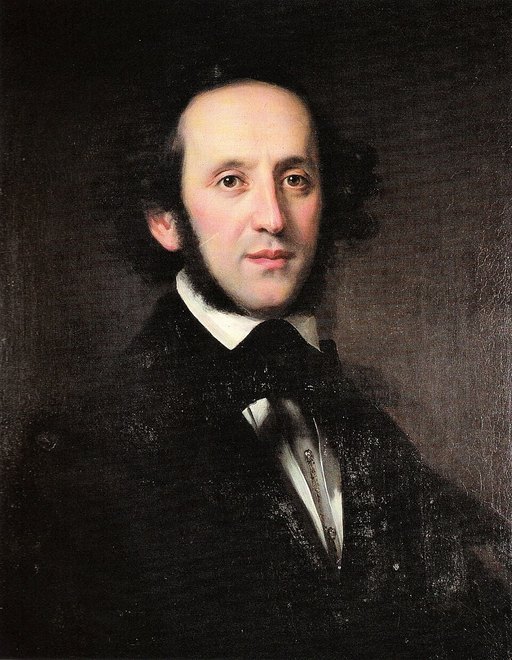
Felix Mendelssohn (1809–1847), a German composer of the Romantic era, issued his Lieder ohne Worte (Songs without Words) as eight volumes of short piano pieces. Op. 30 is one of those volumes: six pieces written in 1833–34 and published in 1835. The last of the set, Op. 30 No. 6, is in F sharp minor, and Mendelssohn wrote the title "Venetianisches Gondellied" (Venetian gondola song) on the manuscript himself. Two further Venetian gondola songs stand alongside it among the Lieder ohne Worte, Op. 19b No. 6 in G minor and Op. 62 No. 5 in A minor. Their background lies in Mendelssohn's Italian journey of 1830–31: in Venice he heard gondoliers singing stanzas that Venetian boatmen traditionally drew from Tasso's Gerusalemme liberata, and he described their singing in letters to his family. Mendelssohn came from a Hamburg banking family of Jewish descent; his grandfather was the philosopher Moses Mendelssohn, and his sister Fanny Hensel (1805–1847) was also a composer. The score used here comes from the Breitkopf & Härtel edition of 1874–77, which is in the public domain.
Where this comes from: https://www.mutopiaproject.org/cgibin/piece-info.cgi?id=1741